
What Is Diabetes? Causes, Symptoms, and Types Explained
Introduction: Understanding Diabetes
Diabetes is one of the most common lifestyle-related health conditions affecting millions of people worldwide. With changing food habits, lack of physical activity, stress, and genetic factors, the number of diabetes patients is increasing rapidly, especially in countries like India. Despite being so common, many people still do not fully understand what diabetes is, how it develops, and how it affects the body.
This article provides a complete and easy-to-understand explanation of diabetes, including its meaning, causes, symptoms, types, risk factors, diagnosis, and prevention tips. Whether you are newly diagnosed, caring for someone with diabetes, or simply want to stay informed, this guide will help you understand the condition better.

What Is Diabetes?
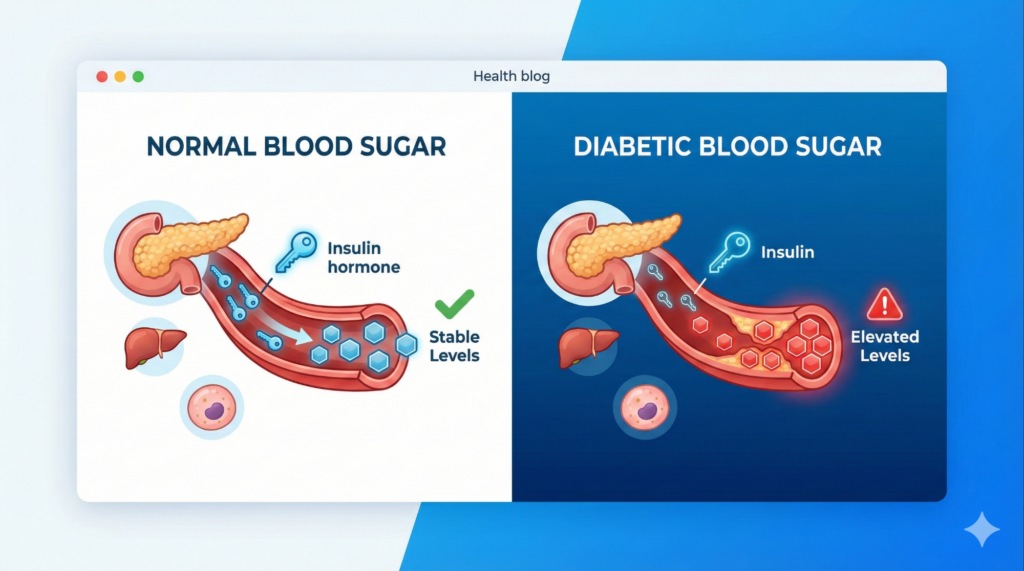
Diabetes, also known as Diabetes Mellitus, is a chronic medical condition in which the level of glucose (sugar) in the blood becomes abnormally high. Glucose is the main source of energy for the body and comes from the food we eat.
To use glucose properly, the body needs a hormone called insulin, which is produced by the pancreas. Insulin helps glucose enter the body’s cells, where it is used for energy. Diabetes occurs when:
- The body does not produce enough insulin, or
- The body cannot use insulin effectively, or
- Both conditions happen together
As a result, glucose remains in the bloodstream instead of entering the cells, leading to high blood sugar levels, which can cause serious health problems over time.
How Does Diabetes Affect the Body?
When blood sugar levels stay high for a long period, it can damage various organs and systems in the body, including:
- Heart and blood vessels
- Kidneys
- Eyes
- Nerves
- Brain
Uncontrolled diabetes can lead to complications such as heart disease, kidney failure, vision loss, nerve damage, and even limb amputations. However, with early diagnosis and proper management, most complications can be prevented.
Causes of Diabetes
The causes of diabetes depend on the type, but some common factors contribute to its development.
1. Insulin Resistance
In many people, especially those with Type 2 diabetes, the body’s cells stop responding properly to insulin. This condition is called insulin resistance, and it forces the pancreas to produce more insulin. Over time, the pancreas becomes unable to keep up.
2. Genetic Factors
Family history plays a significant role in diabetes. If one or both parents have diabetes, the risk of developing the condition increases.
3. Unhealthy Lifestyle
Poor lifestyle habits are a major cause of diabetes, including:
- Excessive consumption of sugary and processed foods
- Lack of physical activity
- Obesity or overweight
- Irregular sleep patterns
4. Autoimmune Reaction
In Type 1 diabetes, the immune system mistakenly attacks and destroys insulin-producing cells in the pancreas.
5. Hormonal Changes
Hormonal imbalances during pregnancy can lead to gestational diabetes.
Common Symptoms of Diabetes
The symptoms of diabetes may develop slowly or appear suddenly, depending on the type. Some people may not notice any symptoms for years.
Early Signs and Symptoms
- Frequent urination
- Excessive thirst
- Increased hunger
- Unexplained weight loss
- Fatigue and weakness
- Blurred vision
Advanced Symptoms
- Slow healing of wounds
- Frequent infections
- Tingling or numbness in hands and feet
- Dry skin
- Erectile dysfunction in men
If you experience these symptoms, it is important to get your blood sugar levels checked immediately.
Types of Diabetes Explained
There are several types of diabetes, each with different causes and characteristics.
1. Type 1 Diabetes
Type 1 diabetes is an autoimmune condition in which the body’s immune system destroys insulin-producing beta cells in the pancreas.
Key Features:
- Usually diagnosed in children and young adults
- The body produces little or no insulin
- Insulin injections are required for survival
Common Symptoms:
- Sudden weight loss
- Extreme thirst
- Frequent urination
- Fatigue
Type 1 diabetes cannot be prevented, but it can be managed effectively with insulin therapy, healthy eating, and regular monitoring.
2. Type 2 Diabetes
Type 2 diabetes is the most common form of diabetes, accounting for nearly 90–95% of all cases.
Key Features:
- Usually develops in adults, but now increasingly seen in younger people
- Caused by insulin resistance and reduced insulin production
- Strongly linked to obesity and lifestyle factors
Risk Factors:
- Overweight or obesity
- Lack of exercise
- Family history
- High blood pressure and cholesterol
Type 2 diabetes can often be managed or even reversed in early stages through lifestyle changes such as diet, exercise, and weight loss.
3. Gestational Diabetes
Gestational diabetes occurs during pregnancy and usually disappears after childbirth.
Key Features:
- Develops due to hormonal changes
- Increases the risk of complications during pregnancy
- Raises the risk of Type 2 diabetes later in life
Proper diet, physical activity, and blood sugar monitoring are essential to ensure the health of both mother and baby.
4. Prediabetes
Prediabetes is a condition where blood sugar levels are higher than normal but not high enough to be diagnosed as diabetes.
Why Prediabetes Is Important:
- It is a warning sign
- Lifestyle changes can prevent or delay Type 2 diabetes
Prediabetes can often be reversed with weight loss, healthy eating, and regular exercise.
5. Other Rare Types of Diabetes
Some less common forms include:
- MODY (Maturity-Onset Diabetes of the Young)
- Diabetes caused by pancreatic disease
- Steroid-induced diabetes
These types are usually diagnosed through specific medical tests.
How Is Diabetes Diagnosed?
Diabetes is diagnosed through blood tests, including:
- Fasting Blood Sugar Test
- Postprandial (After Meal) Blood Sugar Test
- HbA1c Test (average blood sugar over 3 months)
- Oral Glucose Tolerance Test (OGTT)
Early diagnosis is crucial for preventing complications.
Complications of Uncontrolled Diabetes
If diabetes is not managed properly, it can lead to serious complications such as:
- Heart disease and stroke
- Kidney damage (diabetic nephropathy)
- Vision problems (diabetic retinopathy)
- Nerve damage (neuropathy)
- Foot ulcers and infections
Regular checkups and good blood sugar control can significantly reduce these risks.
Can Diabetes Be Prevented?
While Type 1 diabetes cannot be prevented, Type 2 diabetes and prediabetes can often be prevented through healthy lifestyle choices.
Prevention Tips
- Maintain a healthy weight
- Eat a balanced diet rich in fiber and whole foods
- Exercise at least 30 minutes daily
- Avoid excessive sugar and processed foods
- Get regular health checkups
Living a Healthy Life With Diabetes
Diabetes does not mean the end of a normal life. With proper management, people with diabetes can live long, active, and healthy lives.
Key Management Strategies:
- Healthy diet
- Regular physical activity
- Blood sugar monitoring
- Medication or insulin as prescribed
- Stress management
Education and awareness are the most powerful tools in managing diabetes effectively.
Conclusion
Diabetes is a serious but manageable condition. Understanding what diabetes is, its causes, symptoms, and types is the first step toward prevention and effective control. Early diagnosis, lifestyle modifications, and proper medical care can help prevent complications and improve quality of life.
As diabetes continues to rise globally, spreading awareness and adopting healthier habits is more important than ever. If you suspect diabetes or have risk factors, consult a healthcare professional and take timely action.
Discover more from Global Updates
Subscribe to get the latest posts sent to your email.

